May 21, 2026

The Ultimate Guide to Hair Loss For Men
Hair loss explained: causes, signs & proven treatments including minoxidil, finasteride & transplants.

Hair loss explained: causes, signs & proven treatments including minoxidil, finasteride & transplants.
Hair loss is a concern for many men worldwide, affecting confidence, self-image, and overall mental health. With a multitude of causes and treatment options available, navigating the path to healthier hair can feel overwhelming. This comprehensive guide aims to demystify the causes of hair loss, explain why it happens, and explore the available treatments.
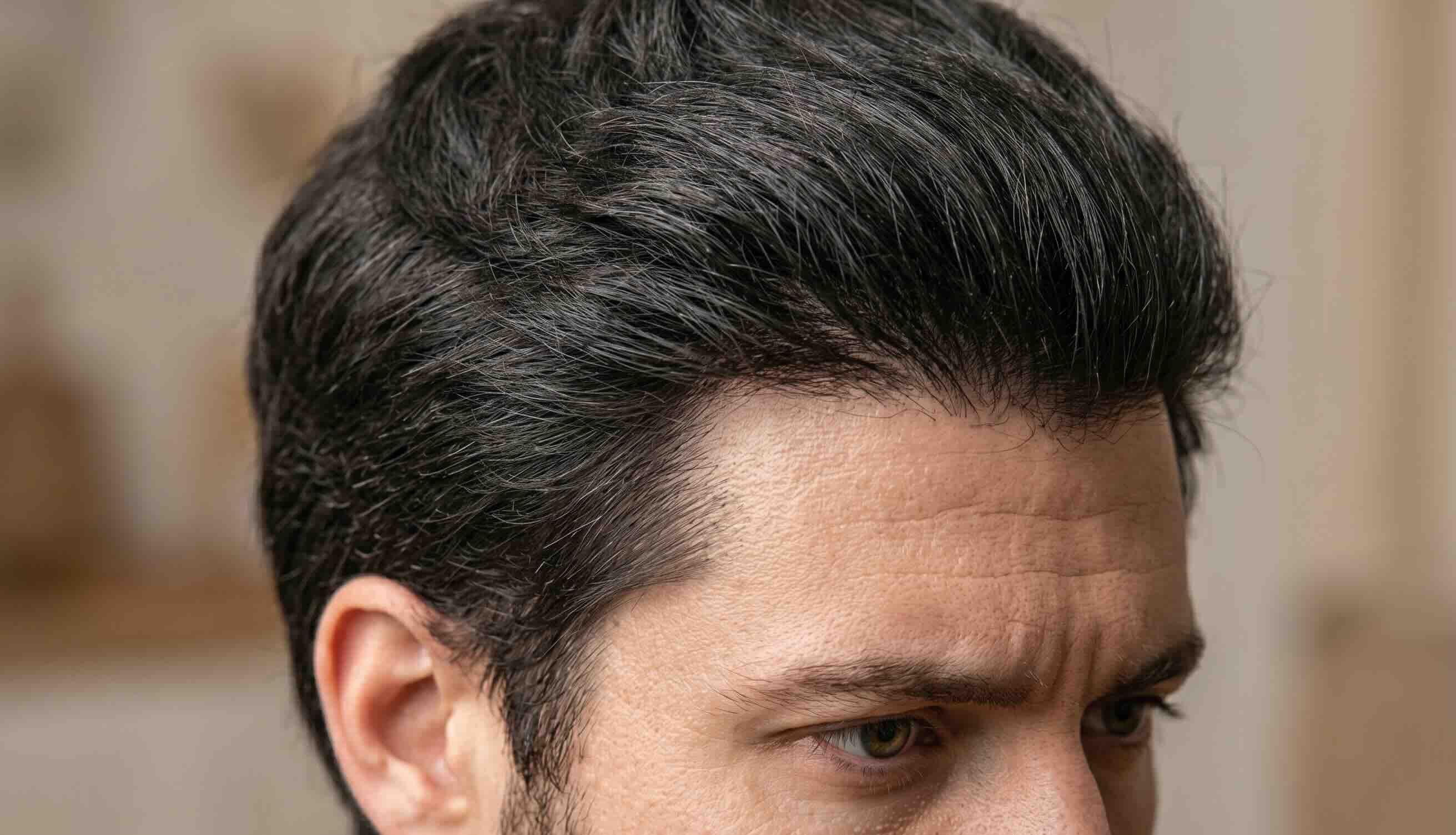
Hair loss, or alopecia, can stem from various causes, but the most common type in men is androgenetic alopecia (AGA), also known as male-pattern baldness (MPB). This genetically driven condition causes hair follicles to shrink, leading to thinner hair and eventual hair loss. The process typically begins with a receding hairline, thinning at the crown, or both.
The Role of DHT in Hair Loss
The primary culprit in AGA is dihydrotestosterone (DHT), a derivative of testosterone. DHT binds to androgen receptors in hair follicles, causing them to shrink and producing thinner, shorter hair strands. Over time, affected follicles stop producing hair altogether. Genetics heavily influence how sensitive your hair follicles are to DHT, determining the onset and progression of hair loss.
Other Causes of Hair Loss
The Psychological Impact of Hair Loss
Hair loss isn't just a physical change—it can have profound psychological effects. Studies show that men experiencing hair loss often perceive themselves as less attractive and older. This can lead to feelings of low self-esteem, social withdrawal, and even depression. Early intervention and education about treatment options can help mitigate these impacts.
Noticing the early signs of hair loss can make a significant difference in treatment outcomes. Common signs include:
If you're experiencing any of these signs, consult a healthcare professional or trichologist for an evaluation.
Evidence-Based Treatments for Hair Loss
1. Minoxidil
A topical solution or foam, minoxidil is an FDA-approved treatment for hair loss. It works by increasing blood flow to the scalp, nourishing hair follicles, and prolonging the growth phase of the hair cycle.
2. Finasteride
Taken as a daily tablet, finasteride blocks the enzyme 5-alpha-reductase, reducing DHT levels in the scalp.
3. Hair Transplants
For advanced hair loss, hair transplantation is the only permanent solution. This surgical procedure involves moving hair follicles from a "donor area" (typically the back of the head) to thinning or bald areas.
Supplements can support hair health, especially if deficiencies are a contributing factor. Popular options include:
While supplements can support overall hair health, they’re not a substitute for clinically proven treatments like minoxidil or finasteride.
The future of hair loss treatment is promising, with research focusing on:
While these treatments are not yet widely available, ongoing clinical trials offer hope for new breakthroughs.
Although genetics play a significant role in male-pattern baldness, lifestyle changes can help slow its progression:
The earlier you address hair loss, the better your chances of preserving your hair. If you notice thinning or increased shedding, consult a healthcare professional to explore your options.
Hair loss is a common but manageable condition. With treatments ranging from topical solutions like minoxidil to advanced procedures like hair transplants, there’s a solution for every stage of hair loss. Supplements and emerging therapies offer additional hope, but early intervention remains key. For personalised advice, consult a medical professional to find the best approach for your needs.


Explore our collection of 200+ Premium Webflow Templates